
Kedarnath Temple Travel Guide 2026 Complete Yatra Guide for First-Time Pilgrims

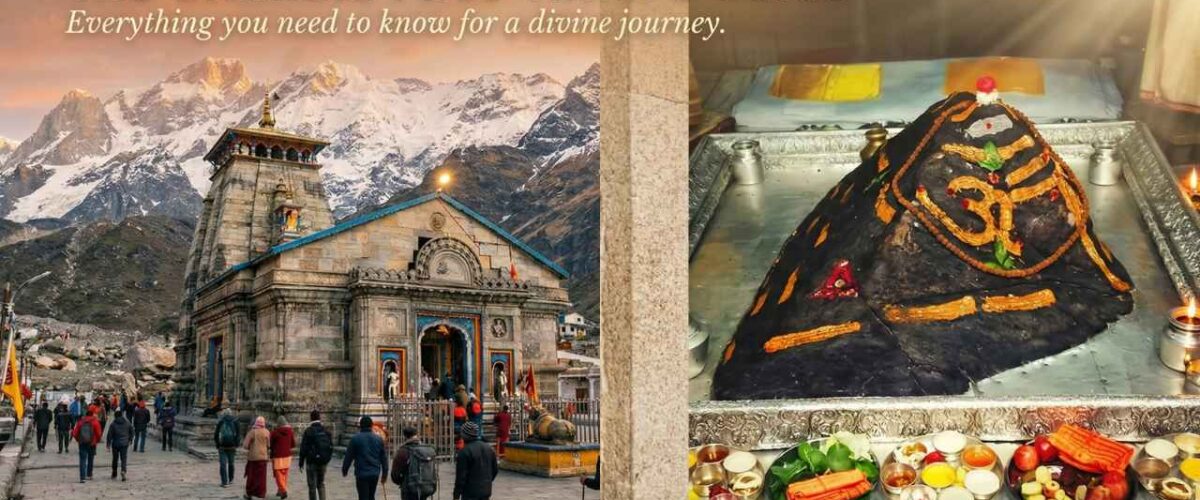
Written by Devendra Khambalkar
Nagpur, Maharashtra, personally trekked Kedarnath and completed Char Dham Yatra
Table of Contents
- Introduction: Why Every Devotee Must Visit Kedarnath
- The Sacred History of Kedarnath Temple
- Kedarnath Temple Kapat Opening Dates 2026
- Temple Timings and Darshan Schedule
- How to Register for Kedarnath Yatra 2026
- How to Reach Kedarnath
- The Kedarnath Trek Route: Gaurikund to Kedarnath
- Kedarnath Helicopter Booking 2026
- Where to Stay in Kedarnath
- Best Time to Visit Kedarnath
- Kedarnath Packing List
- Nearby Places to Visit Around Kedarnath
- Kedarnath Yatra Budget 2026
- Important Tips for First-Time Pilgrims
- Frequently Asked Questions (FAQs)
Introduction: Why Every Devotee Must Visit Kedarnath at Least Once
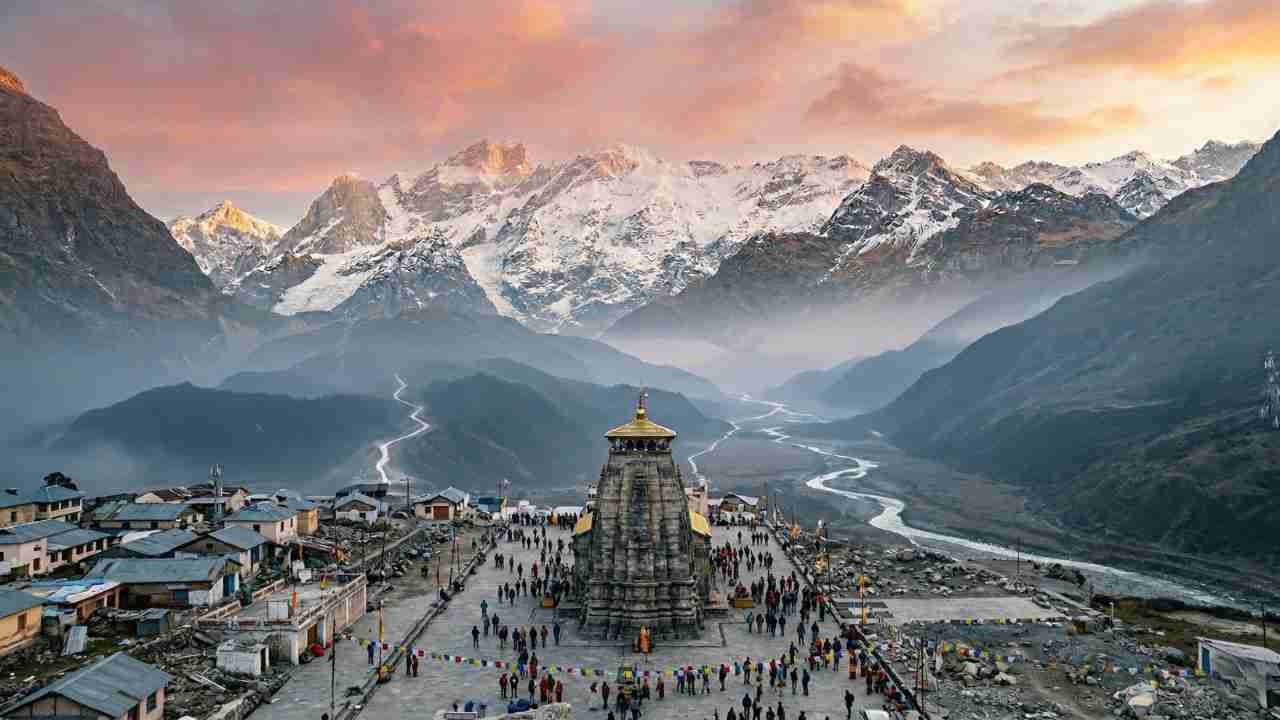
I still remember the moment I reached Kedarnath for the first time. My legs were exhausted after the 16 km trek from Gaurikund. The air was thin and cold. And then I looked up grey stone temple, snow-capped peaks all around, bells ringing, priests chanting. Nothing I had read or seen online had prepared me for that feeling.
Kedarnath sits at 3,583 metres in the Garhwal Himalayas. It is one of the 12 Jyotirlingas, the holiest Shiva shrine in the mountains, and a key stop on the Char Dham Yatra. For many pilgrims including me it is the most powerful spiritual experience of their lives.
But planning your first Kedarnath Yatra 2026 can genuinely be confusing. Routes have changed. Helicopter booking now works differently. Registration is mandatory. Accommodation fills up weeks in advance. I made several avoidable mistakes on my first trip and this guide is my attempt to help you avoid them.
Whether you are a lifelong Shiva devotee or making your first Himalayan pilgrimage, this guide covers everything registration, the trek route, helicopter booking, where to stay, what to carry, and the best time to go based on my own experience and regularly updated information from official sources.
The Sacred History of Kedarnath Temple
Why Kedarnath Is One of the Most Sacred Places on Earth
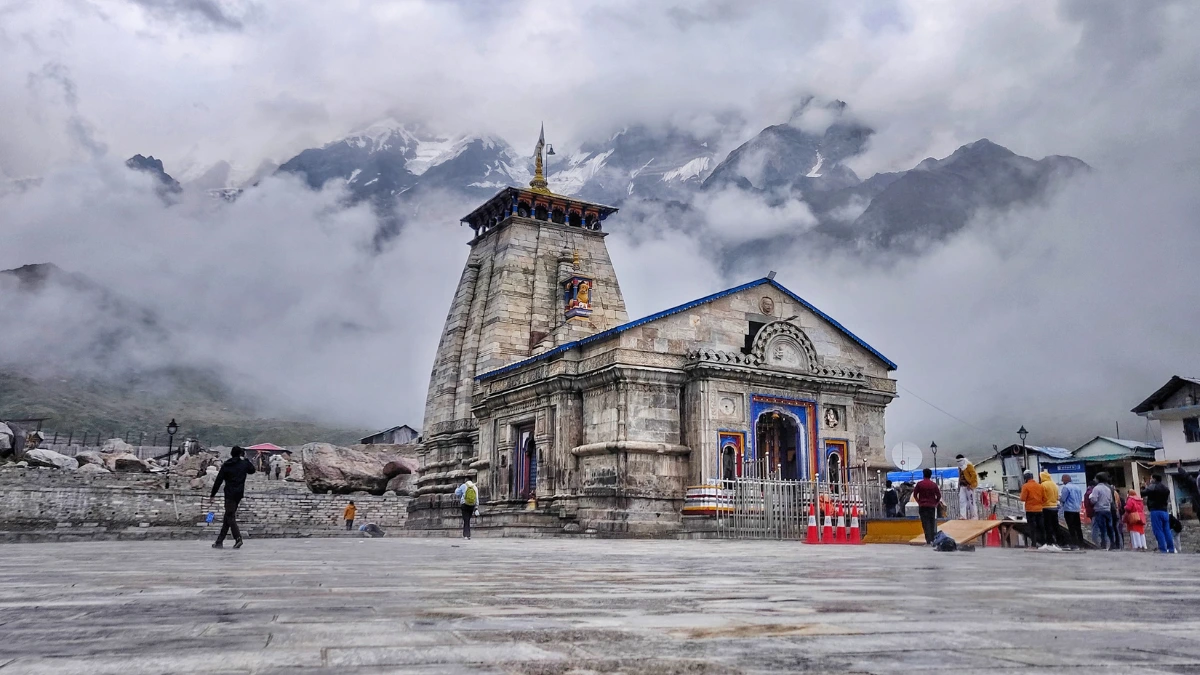
Kedarnath Temple is one of the 12 Jyotirlingas of Lord Shiva the most revered Shiva shrines in all of Hinduism. It sits in the Rudraprayag district of Uttarakhand, on the banks of the Mandakini River, at an altitude of 3,583 metres. This makes it the highest Jyotirlinga in the world.
The temple’s spiritual roots go back thousands of years. According to Hindu tradition, after the battle of Kurukshetra, the Pandavas sought Lord Shiva to seek forgiveness for the sins of war. Shiva, unwilling to meet them directly, disguised himself as a bull (Nandi) and dove into the earth at Kedarnath. The divine hump of the bull surfaced here. The remaining body parts surfaced at four other locations Tungnath, Rudranath, Madhyamaheshwar, and Kalpeshwar together forming the sacred Panch Kedar pilgrimage circuit.
The present temple structure is credited to Adi Shankaracharya, the 8th-century philosopher-saint who restored Kedarnath as a living centre of Hindu devotion. Built from massive interlocked grey stone slabs without mortar, the temple has withstood earthquakes, harsh Himalayan winters, and even the catastrophic 2013 Uttarakhand floods which destroyed everything around it. A large rock, now called Bhim Shila, diverted the floodwaters and protected the temple. Many devotees see this as divine intervention.
Kedarnath Temple Architecture
- Garbha Griha (Sanctum Sanctorum): Houses the conical Jyotirlinga of Lord Shiva in his Sadashiva form
- Mandapa (Assembly Hall): Large hall for devotees to offer prayers
- Nandi Statue: A large bull statue guards the entrance facing the sanctum
- Walls: Carved with figures of deities and scenes from Hindu mythology
- Bhim Shila: The large rock behind the temple that diverted the 2013 floodwaters
Kedarnath Temple Kapat Opening Dates 2026
When Does Kedarnath Open and Close in 2026?
After prayers and ritual observances at Omkareshwar Temple in Ukhimath during Mahashivratri, the Badrinath-Kedarnath Temple Committee officially announced that Kedarnath Dham will open on 22 April 2026 at 8:00 AM.
| Event | Date / Details |
|---|---|
| Kedarnath Kapat Opening 2026 | 22 April 2026 at 8:00 AM |
| Peak Season 1 (Best for First Timers) | May – June 2026 |
| Peak Season 2 (Clear Skies, Fewer Crowds) | September – October 2026 |
| Expected Closing Date 2026 | October / November 2026 (Bhai Dooj) |
| Winter Worship Seat | Omkareshwar Temple, Ukhimath |
What Happens Before the Opening Day?
Prior to the kapat opening, key rituals take place: Bhairavnath Puja on 18 April, and the sacred Chal Utsav Doli procession from Ukhimath towards Kedarnath between 19–21 April. This ceremonial Doli journey is a deeply moving experience for pilgrims who witness it along the route.
Why Does the Temple Close for Winter?
During winters, the main idol is ceremonially moved to Omkareshwar Temple at Ukhimath. This ancient tradition ensures the safety of pilgrims and temple staff during the heavy Himalayan snowfall months. An Akhand Jyot (eternal flame) continues to burn inside the locked temple through the six winter months a symbol of the undying divine presence.
Kedarnath Temple Timings and Darshan Schedule
Kedarnath Temple follows a strict daily schedule. Plan your darshan around these official timings:
| Aarti / Puja | Timing |
|---|---|
| Morning Aarti (Mahabhishek) | 4:00 AM – 6:00 AM |
| Temple Opens for General Darshan | 6:00 AM |
| Afternoon Closure | 3:00 PM – 5:00 PM |
| Temple Reopens (Evening) | 5:00 PM |
| Sandhya Aarti (Evening Prayer) | 7:30 PM – 8:30 PM |
| Temple Closes for Night | 8:30 PM |
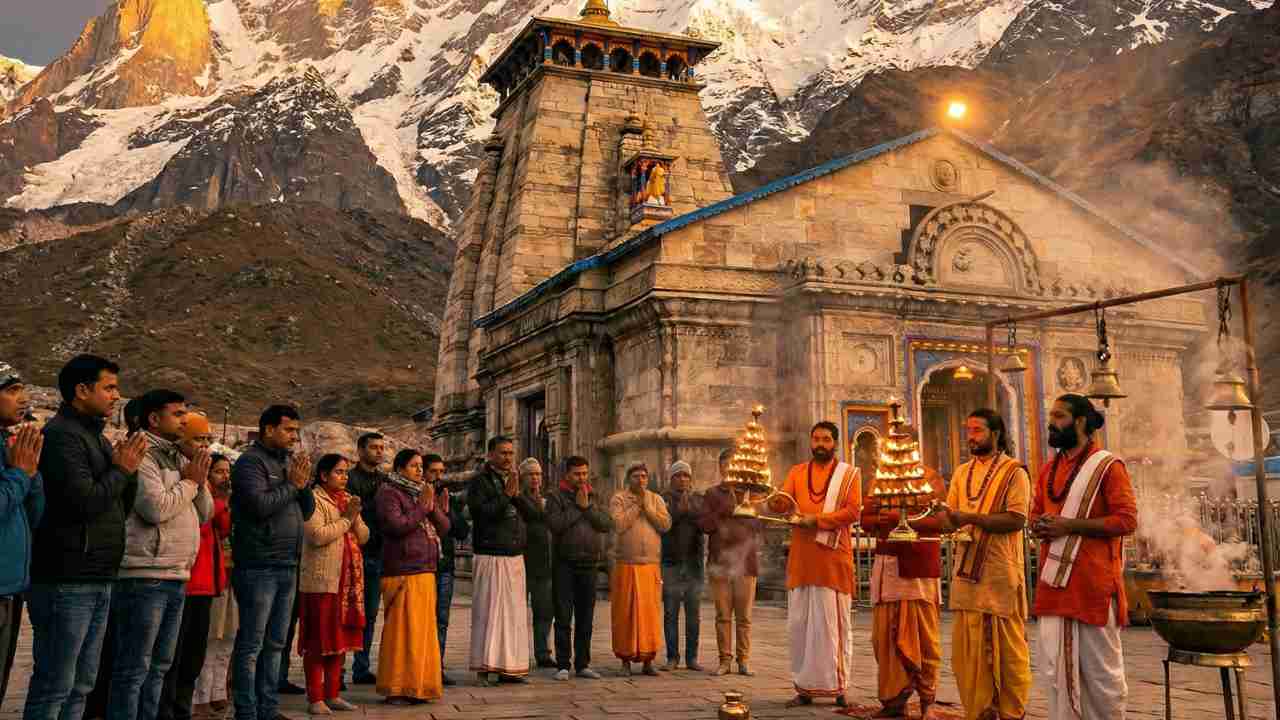
Pro Tip: The Sandhya Aarti at Kedarnath is one of the most soul-stirring experiences in all of Indian pilgrimage. The sound of bells and conch shells echoing against the Himalayan peaks in the dusk light is something no pilgrim forgets. Plan to stay at least one night at or near the temple to attend it.
Important 2026 Update: The Badrinath-Kedarnath Temple Committee (BKTC) has implemented a ban on mobile phones and cameras inside the temple sanctum. Fines will be imposed for violations. Leave your phone at your accommodation before entering the temple.
How to Register for Kedarnath Yatra 2026
Yatra registration is free and mandatory for every pilgrim. You must register before starting your journey.
Online Registration (Recommended)
Offline Registration Points
- Haridwar (main railway station area)
- Rishikesh (near Laxman Jhula)
- Sonprayag (last major town before Gaurikund)
- Guptkashi
- Phata (if travelling by helicopter)
Note: Your registration slip and a valid photo ID must be presented at multiple checkpoints from Sonprayag onwards. Without these, you will not be allowed to proceed.
How to Reach Kedarnath
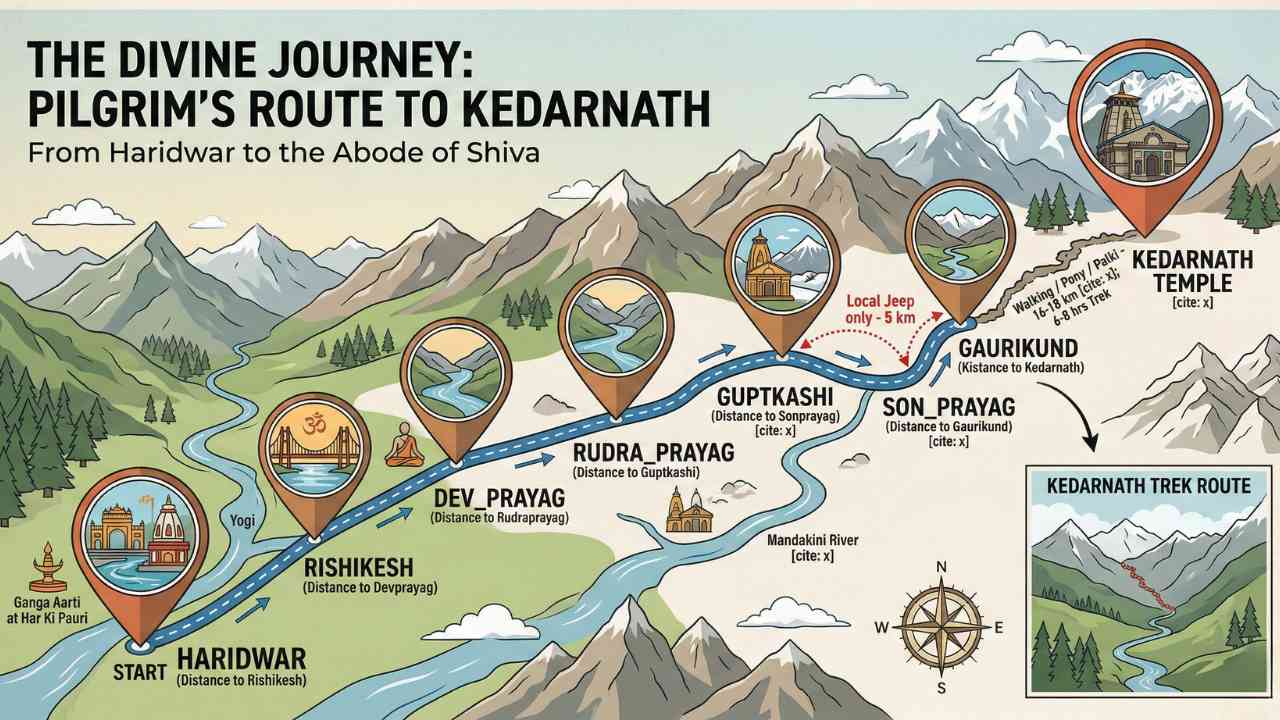
Route Overview: Delhi / Rishikesh to Kedarnath
The last motorable road point is Gaurikund (1,982 metres), approximately 223 km from Rishikesh. Beyond Gaurikund, the only options are trekking, pony/palki, or helicopter.
By Road: Distance and Time Chart
| Starting Point | Distance to Gaurikund | Approx. Travel Time |
|---|---|---|
| Rishikesh | ~223 km | 7–9 hours |
| Haridwar | ~240 km | 8–10 hours |
| Delhi | ~475 km | 12–14 hours |
| Dehradun | ~250 km | 8–9 hours |
By Bus: Government UPSRTC and private buses operate from Haridwar and Rishikesh to Sonprayag daily during the yatra season.
By Taxi/Cab: Shared taxis from Rishikesh to Guptkashi are cost-effective; local jeeps ply Guptkashi to Sonprayag.
By Car: Drive to Sonprayag. From Sonprayag to Gaurikund (5 km), only shared government vehicles are allowed. Park your car at Sonprayag.
By Train and Air
- Nearest Railway Station: Rishikesh (221 km) Haridwar (253 km) has better national connectivity
- Nearest Airport: Jolly Grant Airport, Dehradun (~250 km from Gaurikund)
- Taxis and buses are available from both Rishikesh and Dehradun airport directly to Guptkashi or Sonprayag
The Kedarnath Trek Route: Gaurikund to Kedarnath
Trek Route Distance and Altitude Breakdown
The Gaurikund to Kedarnath trek is approximately 16 km one way, gaining around 1,542 metres in altitude. The trail is stone-paved with iron railings at steep sections, rest shelters (dhabas), and medical checkpoints throughout.
| Checkpoint | Distance from Gaurikund | Altitude |
|---|---|---|
| Gaurikund (Start) | 0 km | 1,982 m |
| Jungle Chatti | 4 km | 2,622 m |
| Bheembali | 6.5 km | 2,845 m |
| Lincholi | 9 km | 3,022 m |
| Base Camp Area | 13 km | 3,310 m |
| Kedarnath Temple (End) | 16 km | 3,583 m |
- Trek Duration: 5–9 hours upward | 4–6 hours downward
- Difficulty Level: Moderate to challenging (steep sections beyond Lincholi)
- Best Start Time: Depart Gaurikund by 5:00–6:00 AM for a comfortable ascent
Trek Support Services at Gaurikund
| Service | Description | Suitable For |
|---|---|---|
| Pony (Ghoda) | Rides along the trek route | General pilgrims |
| Palki (Doli) | Palanquin carried by 4 porters | Elderly, mobility issues |
| Kandi (Porter Seat) | Pilgrim carried in basket seat | Those unable to trek |
Altitude Sickness Warning
Altitude sickness (AMS) is a real risk at Kedarnath (3,583 m), regardless of fitness level. Know the symptoms and act immediately:
- Severe persistent headache
- Nausea and vomiting
- Dizziness and confusion
- Breathlessness while at rest
Prevention: Walk slowly, drink 3–4 litres of water daily, avoid alcohol, and consult your doctor about Diamox (acetazolamide) before travel. If symptoms worsen descend immediately. Do not wait.
Kedarnath Helicopter Booking 2026
Who Should Consider the Helicopter?
- Senior citizens and physically challenged pilgrims
- Families with young children
- Pilgrims with heart conditions, asthma, or joint problems
- Those with limited time wanting same-day darshan and return
Helicopter Routes and Prices 2026
| Helipad | Flight Time | Round Trip Price (Approx.) |
|---|---|---|
| Phata to Kedarnath | ~9 minutes | ₹8,500 – ₹9,000 per person |
| Sirsi to Kedarnath | ~11 minutes | ₹8,200 – ₹8,842 per person |
| Guptkashi to Kedarnath | ~12–15 minutes | ₹10,000 – ₹12,500 per person |
All helicopter fares are regulated by the Uttarakhand Civil Aviation Development Authority (UCADA). Prices are fixed. No operator can charge above the approved rates.
How to Book Kedarnath Helicopter Tickets (Step by Step)
Critical Helicopter Booking Warnings
- No Tatkal booking exists for Kedarnath helicopters
- No WhatsApp or Telegram payment is accepted all booking is through IRCTC only
- No agent or third-party website is authorised to sell IRCTC helicopter tickets
- Book only through: heliyatra.irctc.co.in
- Maximum baggage allowed per person: 5 kg only
- Flights can be cancelled due to bad weather always have a backup trek plan
Where to Stay in Kedarnath: Accommodation Guide
Accommodation at Kedarnath (At the Temple)
| Type | Operator | What to Expect |
|---|---|---|
| GMVN Tent Camps | Government (GMVN) | Basic tents, shared bathrooms, simple meals |
| GMVN Rest Houses | Government (GMVN) | Dormitory and room options; book in advance |
| Private Guesthouses | Local operators | Very basic; limited hot water |
| Dharamshalas | Temple trust | Free or minimal cost; very basic facilities |
Book GMVN accommodation in advance at: gmvnl.in
Best Accommodation Base: Guptkashi (Recommended)
Guptkashi (47 km from Kedarnath on the main route) is the most recommended overnight base. It has comfortable hotels with hot water, good food, a reliable hospital, and the sacred Vishwanath and Ardhnareshwar Temples to visit the evening before your trek.
Other Staging Points
- Gaurikund: Basic lodges and dhabas; suitable for one night before and after the trek
- Sonprayag: Wider range of guesthouses; common staging point for pilgrims
- Phata: Good base if taking helicopter; small guesthouses available
Best Time to Visit Kedarnath
| Season | Months | What to Expect |
|---|---|---|
| Early Season (Snow Views) | Late April – May | Cold mornings, snow near temple, peaceful, smaller crowds |
| Peak Season (Ideal for First Timers) | June | Pleasant days, all services active, larger crowds |
| Monsoon (Avoid) | July – August | Heavy rain, active landslide risk, dangerous trek |
| Post-Monsoon (Best Overall) | September – October | Clear skies, stunning views, fewer crowds |
| Winter (Temple Closed) | November – April | Temple shut, heavy snow, inaccessible |
Best months for first-time pilgrims: May and October. May gives you the full spiritual energy of the newly-opened temple with a crisp Himalayan backdrop. October gives you clear blue skies, stunning panoramas, and a quieter, more meditative atmosphere.
Kedarnath Packing List: What to Carry
Clothing (Layering Is Essential)
- Thermal base layer (top and bottom)
- Fleece mid-layer jacket
- Waterproof outer shell jacket
- Woollen cap and gloves
- 3–4 pairs of warm woollen socks
- Waterproof trekking shoes with ankle support
Documents (Never Leave These Behind)
- Original government-issued Photo ID
- Printed Yatra registration slip with Group ID
- Printed helicopter ticket (if applicable)
- Medical prescription (if on regular medication)
Health and Safety
- Personal first aid kit
- ORS sachets for dehydration
- Diamox / AMS medication (consult doctor first)
- Prescription medications sufficient supply
- Sunscreen SPF 50+ and UV-protection sunglasses
Essentials
- Power bank (charging points are scarce)
- Headlamp or torch with extra batteries
- Reusable water bottle (1-litre minimum)
- Energy bars, dry fruits, trail snacks
- Sufficient cash from Rishikesh ATM unreliable
- Light sleeping bag liner
What NOT to carry: Heavy suitcases, unnecessary electronics, valuables, excessive clothing. Keep your pack as light as possible every extra kilo is felt on the 16 km ascent.
Nearby Places to Visit Around Kedarnath
- Bhairavnath Temple: Located just above Kedarnath; dedicated to the guardian deity of the valley during winter. Visiting after darshan is considered auspicious and is a traditional part of the Kedarnath pilgrimage.
- Shankaracharya Samadhi: Directly behind the main Kedarnath temple. This is where Adi Shankaracharya attained mahasamadhi at the age of 32. A deeply peaceful spot for meditation and quiet prayer.
- Vasuki Tal (High Altitude Glacial Lake): A stunning glacial lake at 4,135 metres about 8 km from Kedarnath. Rewards you with views of the Chaukhamba peaks. Suitable for fit pilgrims with extra time.
- Tungnath Temple (Panch Kedar): The world’s highest Shiva temple at 3,680 metres, reachable from Chopta (3.5 km trek). Pair it with Kedarnath if you have 2–3 extra days.
- Triyuginarayan Temple: Located 12 km from Sonprayag; believed to be the site of the divine wedding of Lord Shiva and Goddess Parvati. An eternal flame (Akhand Dhuni) has been burning here since that cosmic wedding.
Kedarnath Yatra Budget 2026 (From Delhi)
| Category | Budget Option | Comfortable Option |
|---|---|---|
| Transport (Delhi to Gaurikund + local) | ₹1,500 – ₹2,500 | ₹4,000 – ₹7,000 |
| Accommodation (4–5 nights) | ₹1,500 – ₹2,500 | ₹5,000 – ₹10,000 |
| Food (full trip) | ₹800 – ₹1,500 | ₹2,500 – ₹4,000 |
| Pony / Palki (optional) | ₹1,500 – ₹3,500 | |
| Helicopter (optional, round trip) | ₹8,500 – ₹12,500 | |
| Miscellaneous / Tips / Donations | ₹500 – ₹1,000 | ₹1,500 – ₹2,500 |
| TOTAL PER PERSON (Trek Route) | ₹6,000 – ₹11,000 | ₹15,000 – ₹27,000 |
Registration is free. GMVN accommodation can be booked online at gmvnl.in. Full guided tour packages from travel operators typically cost ₹8,000 – ₹30,000 per person, depending on inclusions.
Important Tips for First-Time Kedarnath Pilgrims
Do’s
- Start your trek early morning (before 6:00 AM) to avoid afternoon crowd and cold
- Walk at a steady, slow pace never rush at high altitude
- Drink water every 30 minutes throughout the trek
- Carry your registration slip and ID at all times
- Book accommodation and helicopter tickets well in advance (4–6 weeks)
- Check the Kedarnath weather forecast before your trek day
- Visit Gaurikund hot springs before starting the trek sacred and muscle-relieving
Don’ts
- Do not carry alcohol it accelerates dehydration and altitude sickness
- Do not litter on the trek route Kedarnath is a sacred ecological zone
- Do not use mobile phones or cameras inside the temple sanctum
- Do not book helicopter tickets through any unofficial agent or WhatsApp contact
- Do not ignore signs of altitude sickness descend immediately if symptoms worsen
- Do not underestimate the cold temperatures drop below freezing even in May
Frequently Asked Questions (FAQs)
Q1. What is the Kedarnath Temple opening date in 2026?
Kedarnath Temple will open on 22 April 2026 at 8:00 AM. The date was officially announced by the Badrinath-Kedarnath Temple Committee (BKTC) during Maha Shivaratri celebrations at Omkareshwar Temple in Ukhimath. The temple is expected to close in late October or early November 2026 on the occasion of Bhai Dooj.
Q2. Is Yatra registration mandatory for Kedarnath?
Yes. Registration is completely free and absolutely mandatory for every pilgrim. Register at registrationandtouristcare.uk.gov.in before your journey. Your slip and photo ID will be checked at multiple points from Sonprayag onwards.
Q3. How do I book Kedarnath helicopter tickets in 2026?
Kedarnath helicopter tickets can only be booked through the official IRCTC HeliYatra portal at heliyatra.irctc.co.in. You must complete your Char Dham Yatra registration and generate a Group ID before accessing the booking system. Round-trip fares from Phata range between ₹8,500–9,000 per person. Beware of all third-party agents they are unauthorized.
Q4. What is the best time to visit Kedarnath for first-time pilgrims?
The best time is May or the last two weeks of September through October. May offers the opening-season energy with snow views and manageable weather. September–October offers clear skies, stunning panoramas, and shorter darshan queues. Avoid July and August due to heavy monsoon rainfall and landslide risks.
Q5. What is the trek distance from Gaurikund to Kedarnath?
The Gaurikund to Kedarnath trek is approximately 16 km one way, gaining about 1,542 metres in altitude. It takes 5–9 hours to ascend and 4–6 hours to descend. The trail is stone-paved with rest shelters and medical checkpoints throughout. Pony, palki, and porter (kandi) services are available at Gaurikund for those who cannot trek.
Q6. Is Kedarnath safe for senior citizens?
Yes, with proper planning. Senior citizens can opt for helicopter services from Phata, Sirsi, or Guptkashi, which reduce the journey to under 12 minutes. Pony and palki services are also available on the trek route. A doctor consultation before travel is strongly recommended, particularly regarding heart health and high-altitude readiness.
Q7. Can I do a same-day return to Kedarnath by helicopter?
Yes. Helicopter passengers can complete darshan and return to their departure helipad the same day, subject to weather conditions and slot availability. However, to truly experience Kedarnath especially the Sandhya Aarti: it is highly recommended to stay at least one night.
Conclusion: Har Har Mahadev – Your Kedarnath Yatra Awaits
I have done this trek in rain, in cold, and with aching legs. And I would do it again without a second thought.
The 16 km climb will test your body. The thin mountain air will slow you down. The cold will catch you off guard even in May. But when you finally stand before that ancient stone temple when the Sandhya Aarti begins and the sound of bells rises into the Himalayan evening something shifts inside you that is hard to put into words.
Plan well, register on time, book your accommodation early, and go with an open heart. Kedarnath will do the rest.
If you have questions about the route, registration, or anything in this guide feel free to reach out directly. I read every message.
Har Har Mahadev | Baba Kedarnath Ki Jai 🙏
– Devendra Khambalkar, Nagpur
Plan Your Kedarnath Yatra 2026 – Start Here
Plan well, register on time, book early, and go with an open heart.
More Yatra Guides on HinduTempleGuide.com
Last updated: March 2026 | Information verified from official BKTC sources and Uttarakhand Tourism portals. Always check official websites for the latest updates before travel.




Hi, this is a comment.
To get started with moderating, editing, and deleting comments, please visit the Comments screen in the dashboard.
Commenter avatars come from Gravatar.